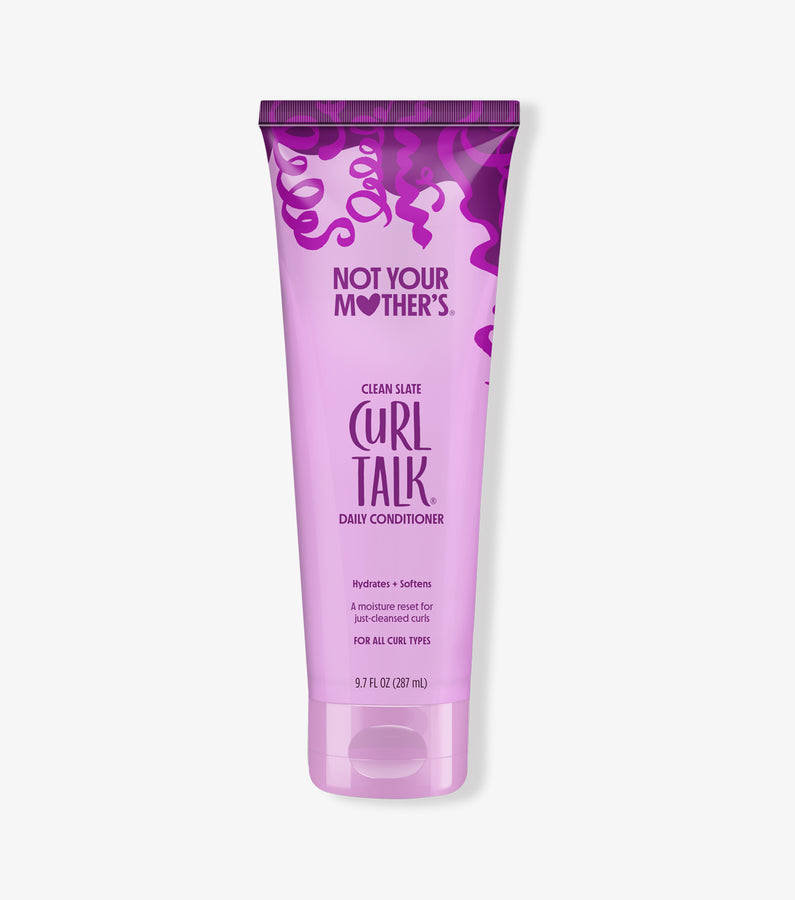
The safest way to detangle curly hair is while curls are wet and coated in conditioner, working in small sections from the ends toward the roots with fingers or a wide-tooth comb. A lightweight detangling conditioner for curls, like Not Your Mother’s Curl Talk Clean Slate Daily Conditioner, can help soften strands before rinsing.
Here’s how to detangle curly hair without breakage, why timing matters, which tools help, and how a few Curl Talk products can support a gentler routine.
Quick Answer: The Safest Way to Detangle Curly Hair
For most curly and coily hair, detangle in the shower while conditioner is still in the hair. Most guidance follows these tips: detangling curls while wet, using fingers, a wide-tooth comb, or a brush designed for curly or coily hair. Avoid brushing fully dry curls, which can contribute to breakage and frizz.
Start at the ends instead of the roots. Once the bottom few inches are knot-free, gradually move upward so smaller tangles do not get pushed together into one tighter knot.
Why Curly Hair Tangles More Than Straight Hair
Curly hair creates more opportunities for strands to twist, rub, and catch on one another. The bends and spirals in a curl pattern create more points of contact between hairs, especially in tighter patterns.
Curls can also be drier because natural oils do not travel as evenly along a curved hair shaft. Curl type, density, length, and hair porosity can all affect how much sectioning, moisture, and time a curly hair detangling routine needs.
Step-by-Step: How to Detangle Curly Hair Without Damage
If you are wondering how to detangle curly hair in the shower, the best way to detangle knots in curly hair is to focus on water, slip, small sections, and patience.

- Saturate and condition. Thoroughly wet the hair, then apply conditioner throughout. Curl Talk Clean Slate Daily Conditioner is a lightweight conditioner for all curl types that helps detangle, define, hydrate, soften, and add shine.
- Divide into sections. Separate hair into about four to six manageable sections, clipping away the rest. Long, thick, or tightly coiled hair may be easier to detangle in smaller sections.
- Start at the ends. Hold the section above the area being detangled to reduce tugging at the roots. Separate larger knots with fingers first, then follow with a wide tooth comb for curly hair if needed. Move upward only after the lower portion is tangle-free.
- Rinse and style. Once detangling is complete, rinse out Clean Slate Daily Conditioner and continue the curl routine while hair is still damp.
Tools and Products That Help
A wide-tooth comb or curl-specific detangling brush helps move through wet, conditioned hair with less tight drag than a fine-tooth comb. Finger detangling curly hair is another option, especially for tight or fragile patterns, because fingers can feel and separate a knot before a comb reaches it.
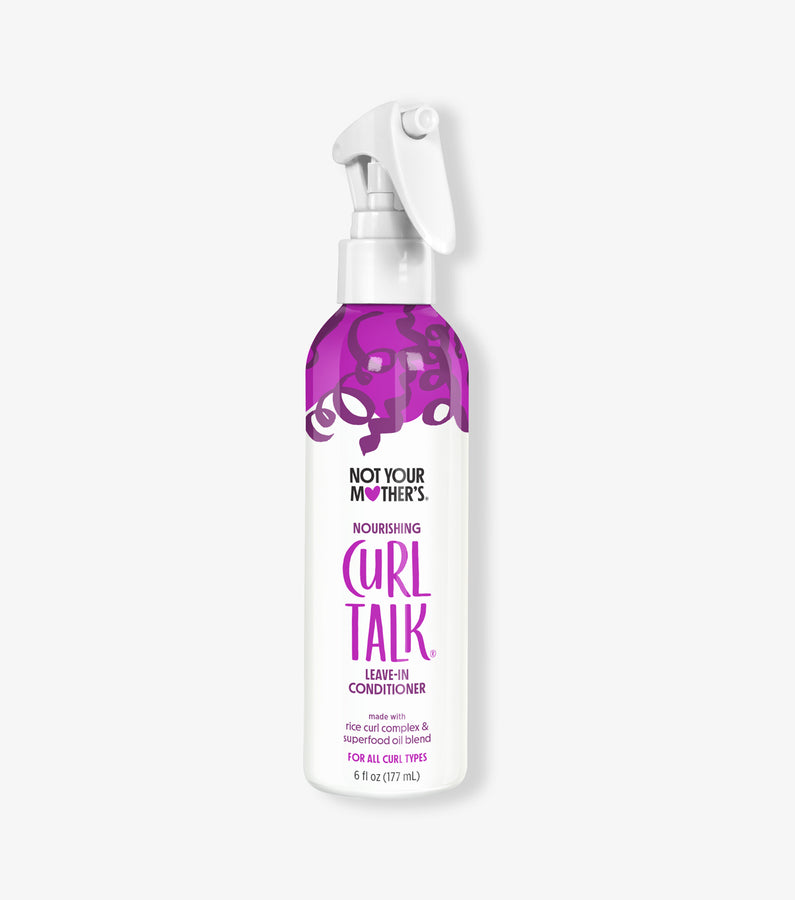
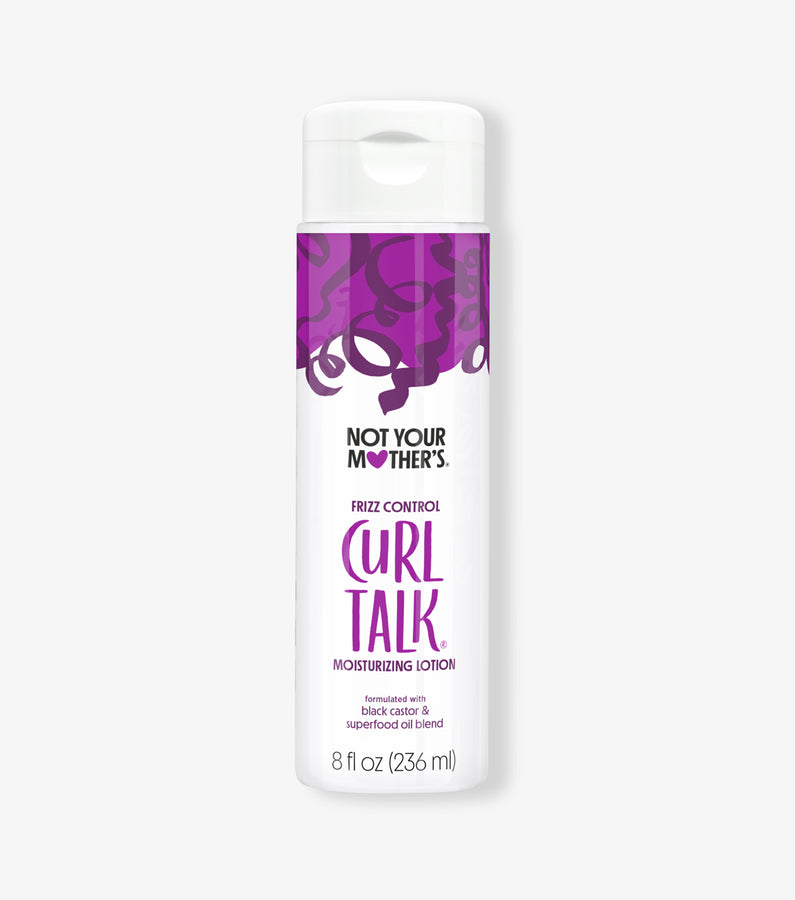
Curl Talk Nourishing Leave-In Conditioner conditions and detangles while improving combability and softness, making it useful after the shower or on lightly dampened curls between washes. Curl Talk Frizz Control Moisturizing Lotion provides superior slip for easy styling and combing while adding weightless moisture and frizz control. The main wash-day detangling step should still happen on wet, conditioned hair.

When to Detangle: Wet Versus Dry
Should curly hair be detangled wet or dry? Wet is the better choice. Detangle thick or curly hair in the shower before rinsing out conditioner and avoiding brushing curls while dry.
Between wash days, skip the dry brush. Lightly dampen a tangled area and use fingers to work it apart. Curl Talk Nourishing Leave-In Conditioner can add softness and improve combability before styling, helping prevent frizz while detangling without fully disrupting the curl pattern.
Common Detangling Mistakes That Damage Curl Pattern
Most detangling problems come down to too much force and not enough slip. Common mistakes include:
- Starting at the roots, which can push tangles downward and create tighter knots.
- Using a fine-tooth comb or brush not designed for curls.
- Detangling completely dry hair without water or a slip product.
- Rushing through knots instead of separating them gradually.
- Rubbing wet hair roughly with a towel instead of gently wrapping or scrunching to reduce friction.
Signs Your Detangling Routine Is Causing Damage
Repeated snapping, rough ends, increased frizz, or less-defined curls can signal overly aggressive detangling. If a comb keeps getting stuck, add water or conditioning slip, make the section smaller, and loosen the knot with fingers first.
Building Detangling Into a Regular Curl Routine
Detangle your curly hair every wash day rather than letting knots accumulate over several washes. Wash-day frequency can vary, but consistent, gentle detangling helps keep knots manageable.
A simple Curl Talk routine can support the process:
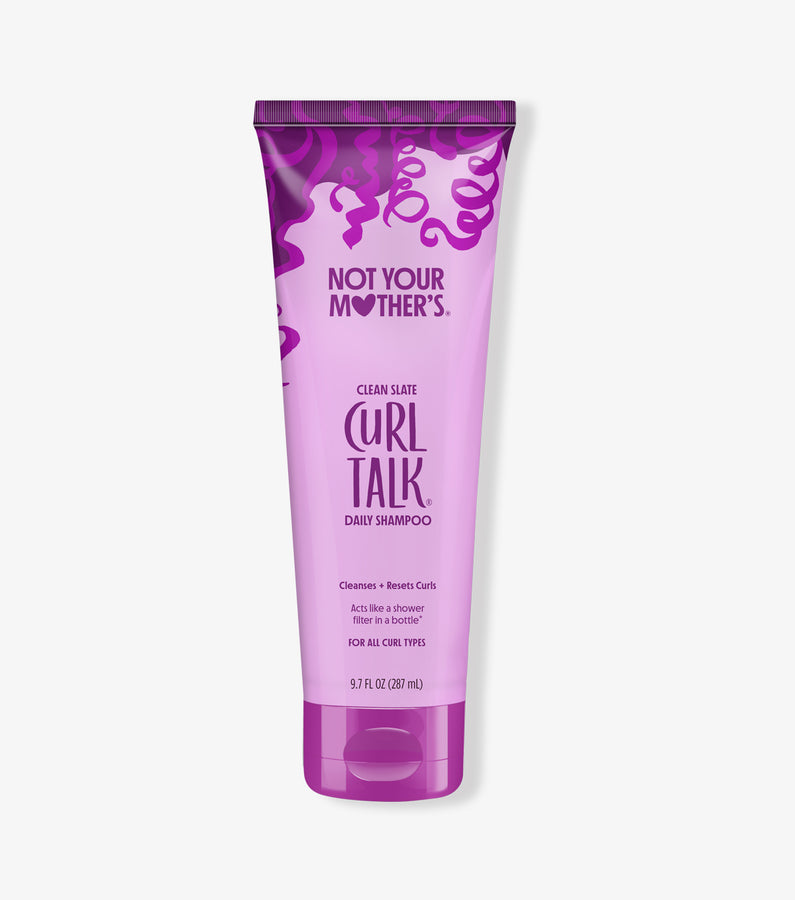
- Cleanse with Curl Talk Clean Slate Daily Shampoo. It gently removes product buildup, common hard-water buildup, and impurities without stripping.
- Condition and detangle with Curl Talk Clean Slate Daily Conditioner. Work in sections while hair is wet, moving from ends to roots.
- Add Curl Talk Nourishing Leave-In Conditioner after rinsing. It supports softness and combability as curls move into styling.
- Add styling slip when needed. Curl Talk Frizz Control Moisturizing Lotion can provide weightless moisture, frizz control, and superior slip for easy styling and combing.
For curls that feel especially dry, Curl Talk Deep Hydration Mask can also fit into the broader wash-day routine as a weekly or as-needed hydration step. It supports moisture and softness, but it is not a replacement for proper wet detangling technique.
Curly Hair Detangling FAQs
Can finger detangling replace a comb?
Yes. Fingers can be enough for some curl patterns and routines, particularly when hair is fragile or tightly coiled. A wide-tooth comb can be added for a more thorough pass.
Why does curly hair break when detangling?
Breakage can happen when knots are pulled apart too aggressively, hair is detangled dry, or there is not enough slip. Work slowly from the ends upward on wet, conditioned hair.
Does conditioner really make detangling easier?
Yes. Conditioner helps soften hair and improve manageability so strands move past one another more easily. Curl Talk Clean Slate Daily Conditioner is specifically formulated to help detangle and define curls while adding hydration and softness.
Can a regular hairbrush be used on curly hair?
Avoid using a standard brush on dry curls. Fingers, a wide-tooth comb, or a detangling brush made for curly or coily hair are better choices on wet, conditioned hair.
Key Takeaways
Learning how to detangle curly hair without damage comes down to a few curl-friendly habits: detangle wet, conditioned hair; work in sections; start at the ends; and use fingers or a wide-tooth comb instead of forcing a brush through dry curls.
Your in-shower conditioner (like Clean Slate Daily Conditioner) remains the hero of the wash-day detangling step, while other products from the Curl Talk Collection can support the routine around it.
A regular, gentle routine is more curl-friendly than an occasional aggressive comb-through. Give curls moisture, slip, and time to untangle on their own terms. Untangled and unbothered? That’s the goal.