If your waves are feeling dry, frizzy, or just a little…meh, it might be time to rethink your wash day. Enter co-washing, aka your shortcut to softer, more hydrated, better-behaved waves without stripping your strands.
Whether you’re deep in your wavy hair routine or just figuring out what your texture needs, this guide breaks down everything you need to know, from how it works to how to avoid buildup (yes, we’re going there).
What Is Co-Washing and How Does It Work
Co-washing is a conditioning-based cleansing method that helps hydrate hair while gently removing dirt and oil. Instead of relying on traditional shampoo, you cleanse your strands using conditioner, making it a go-to for textured hair types that crave moisture.
Unlike shampoos which are designed to remove oil and impurities, conditioners gently cleanse while adding hydration. This makes co-washing especially appealing for waves, curls, and coils that naturally run drier.
Conditioners contain mild cleansing agents that help lift dirt and oil from the scalp without stripping your natural moisture. The result? Softer strands, smoother texture, and better moisture balance overall.
For waves, that means more definition, less frizz, and hair that actually behaves.
Is Co-Washing Good for Wavy Hair
Short answer: yes, but with a strategy.
Co-washing wavy hair can be a total game-changer if your strands lean dry, frizz-prone, or easily weighed down by harsh cleansers. It helps maintain hydration while keeping your texture soft and touchable.
That said, not every wave type needs it all the time.
If you’re rocking finer waves, you’ll want to lean into a lightweight conditioner and avoid overdoing it. Too much moisture without proper cleansing can lead to limp, flat results (aka not the vibe).
But when done right, co-washing wavy hair supports definition, reduces frizz, and keeps your hair looking effortlessly put together.
When Conditioner Only Washing Works Best
There’s a time and place for everything and conditioner only washing shines in specific situations.
It works best when:
- Your hair feels dry, brittle, or over-processed
- You’re refreshing between full wash days
- Your scalp isn’t overly oily
- You’re focusing on hydration over deep cleansing

For example, if you’re stretching your wash schedule or coming off a heavy styling week, conditioner only washing can help reset your strands without over-stripping them.
NYM pro tip: The Curl Talk 3-in-1 Conditioner is a multitasker that can be used as a rinse-out, leave-in, or co-wash, making it perfect for switching up your routine without adding extra steps.
Signs Your Hair Needs Co-Washing Instead of Shampoo
Not sure if your hair is ready for a co-wash moment? Your strands will tell you.
Here are a few signs to watch for:
- Your hair feels dry even after conditioning
- You’re dealing with excess frizz or rough texture
- Your waves lack bounce and softness
- Shampoo leaves your scalp feeling tight
These are all signals your current hair cleansing routine might be too harsh.
Swapping in co-washing once or twice a week can help rebalance hydration and bring your texture back to life without overcomplicating your routine.
How to Co-Wash Wavy Hair Step by Step
Ready to try it? Here’s how to co-wash wavy hair like a pro:

Step 1: Fully saturate your hair
Water is your first cleanser. Let it do some of the heavy lifting.
Step 2: Apply conditioner generously
Focus on your scalp first, then work through mid-lengths and ends.
Step 3: Massage your scalp
This is key for removing dirt and oil. Spend at least 60 seconds here to support healthy scalp health.
Step 4: Detangle gently
Use your fingers or a wide-tooth comb while the conditioner is in.
Step 5: Rinse thoroughly
Don’t rush this. Leftover product = potential hair buildup.
Step 6: Style as usual
Follow with your go-to stylers like Curl Talk Defining Cream or Curl Talk Activating Mousse for soft, defined waves.
Consistency is everything, especially when building a balanced wavy hair routine.
How Often Should You Co-Wash Wavy Hair
There’s no one-size-fits-all answer, but here’s a solid guideline:
- Fine or oily waves: 1–2 times per week
- Medium to dry waves: 2–3 times per week
- Very dry or damaged hair: Alternate with shampoo as needed
The goal is to support hydration without compromising your scalp health.
If your roots start feeling greasy or your waves lose shape, it’s your sign to switch things up.
Common Co-Washing Mistakes to Avoid
Even the best routines can go sideways if you’re not careful. Here’s what to avoid:
1. Skipping scalp cleansing
Co-washing still requires effort. If you’re not massaging your scalp, you’re not really cleansing.
2. Using heavy formulas
A rich conditioner might feel luxurious, but for waves, it can lead to buildup fast.
3. Not rinsing enough
Leftover product is the fastest way to create hair buildup.
4. Overdoing it
Too much co-washing wavy hair without balancing with shampoo can weigh your hair down.
Keep it light, keep it intentional, and your waves will thank you.
How to Prevent Buildup When Co-Washing
Let’s talk about the elephant in the shower: buildup.
Yes, co-washing can cause buildup but only if you’re not balancing your routine.
To prevent buildup when co-washing regularly, use a clarifying shampoo every 1–2 weeks and focus on thoroughly cleansing your scalp during each wash.
Here’s how to stay ahead of it:
- Rotate in a clarifying shampoo every 1–2 weeks
- Use lightweight, silicone-free formulas
- Rinse thoroughly (seriously, don’t rush this step)
- Avoid layering too many heavy styling products
If your hair starts feeling coated, dull, or flat, it’s time for a reset.
The key is to gently remove buildup without stripping your strands, helping you maintain a healthy balance.
Best Ingredients to Look for in Co-Wash Conditioners
Not all conditioners are created equal especially when it comes to co-washing.
Look for ingredients that support hydration and gentle cleansing:
- Aloe vera for lightweight moisture
- Coconut oil for softness and shine
- Rice protein for strength and elasticity
- Glycerin for hydration
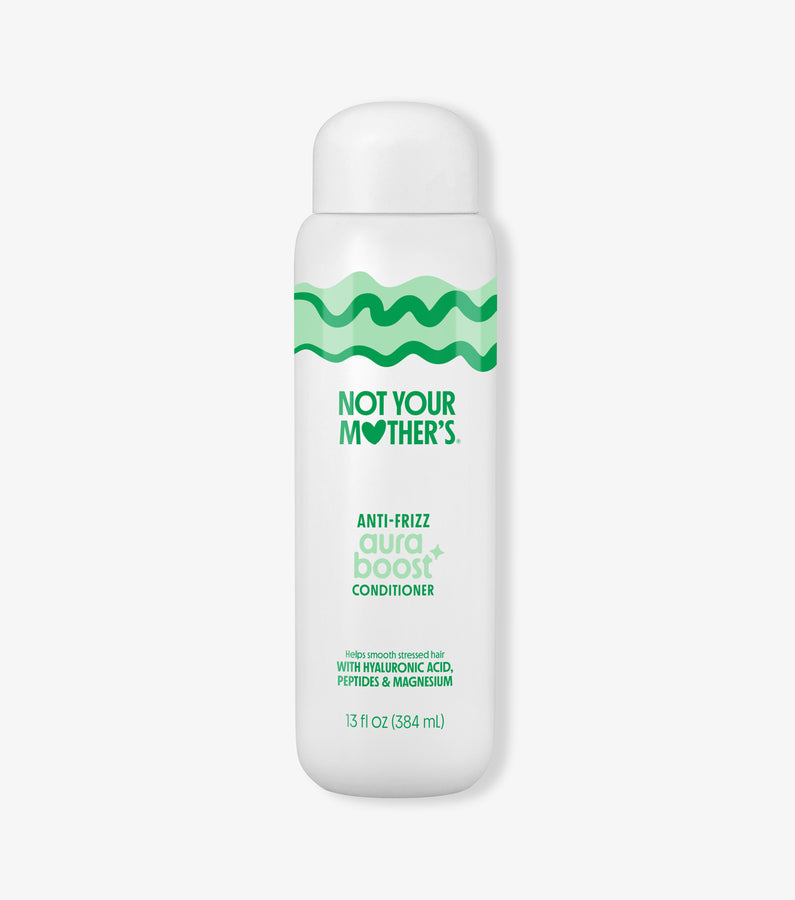
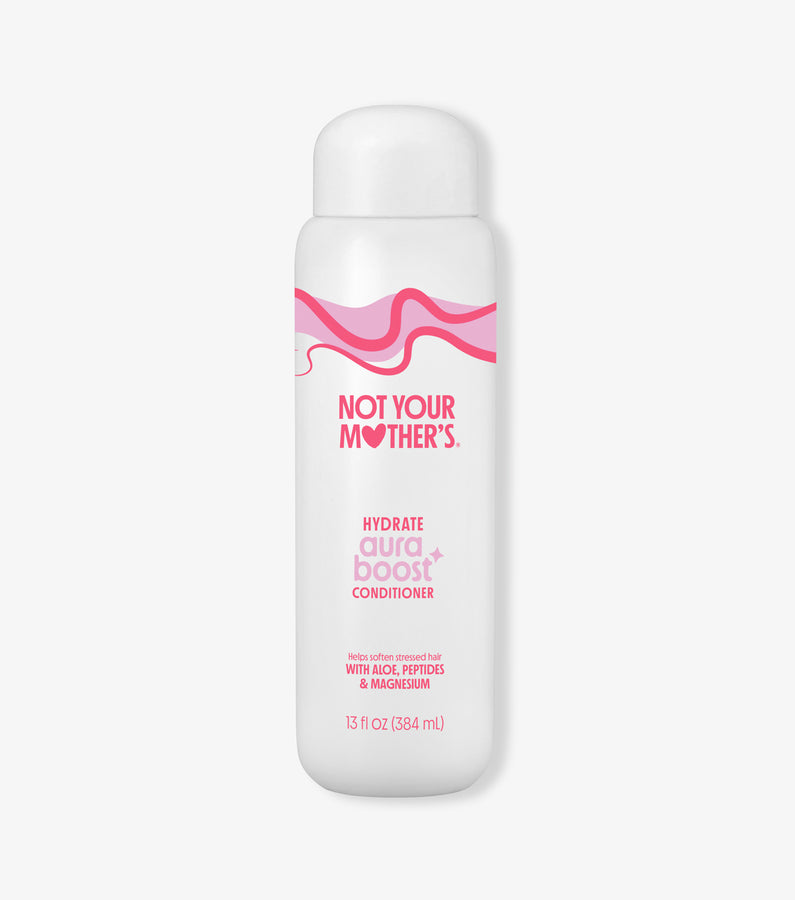
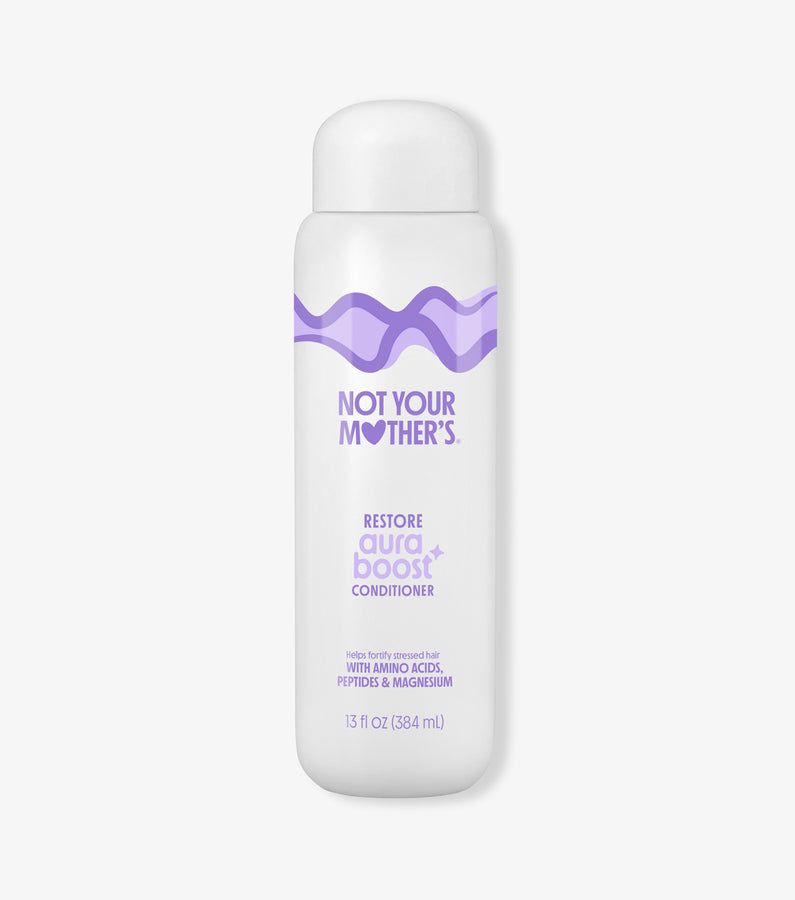
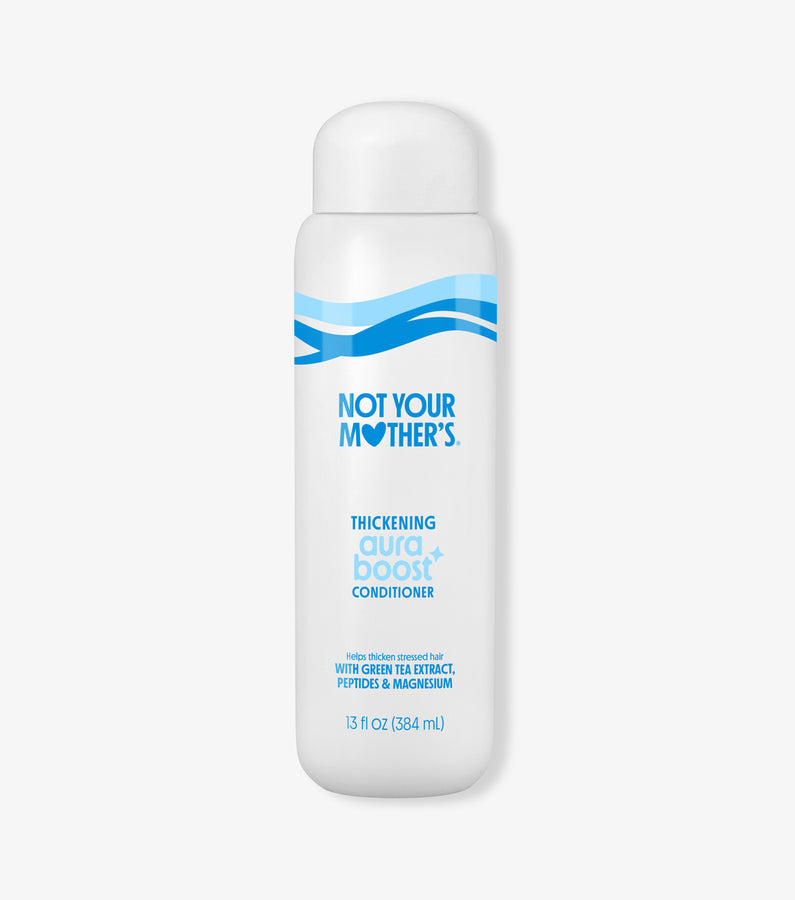
Formulas like those in the Curl Talk collection are designed to lock in moisture while keeping curls soft, defined, and never crunchy. If you aren’t in need of curl-specific care, aura boost conditioners are infused with strengthening ingredients and feel-good scents to match your aura.
The key? Finding a lightweight conditioner that hydrates without weighing your waves down.

When to Use Shampoo Instead of Co-Washing
As much as we love co-washing, it’s not a full replacement for shampoo.
You should still reach for shampoo when:
- Your scalp feels oily or itchy
- You’ve used heavy styling products
- Your waves look flat or lifeless
- You notice persistent buildup
If your hair feels heavy, coated, or lacks bounce, it’s a clear sign your routine needs a reset. Shampoo helps remove excess oil and product so your waves can come back lighter, fresher, and more defined.
Think of it as balance, not extremes.
A strong hair cleansing routine includes both co-washing and shampooing. It’s all about giving your hair what it needs, when it needs it.
Final Thoughts
So, is co-washing better than shampoo for wavy hair? Not exactly, it’s just different. And when used strategically, it can seriously upgrade your routine.
Co-washing helps boost hydration, improve texture, and support healthier, more defined waves. But like any good routine, it works best when balanced with proper cleansing.
If your hair feels dry, frizzy, or weighed down, co-washing might be exactly what your routine is missing.
Because your hair doesn’t need more rules, it just needs what works for you.