An overnight hair treatment can help dry, frizz-prone curls look softer, smoother, and more defined by morning. The right leave-in formula works while you sleep to support hydration, reduce the look of frizz, and make curls easier to refresh when the alarm goes off.
Curls often lose moisture and shape overnight as they move against pillows, sheets, and each other. A lightweight overnight curl serum gives strands a little beauty sleep of their own without turning your nighttime hair routine into a whole production.
What Is an Overnight Hair Treatment?
An overnight hair treatment is a leave-on serum, cream, or mask designed to stay in your hair while you sleep. Unlike a traditional rinse-out conditioner or quick hair mask, it does not need to be washed away before bed.
These treatments are made to support hydration, softness, frizz control, or manageability over several hours. Some feel rich and creamy, while lightweight serums absorb quickly and may work better for curls that get weighed down easily.
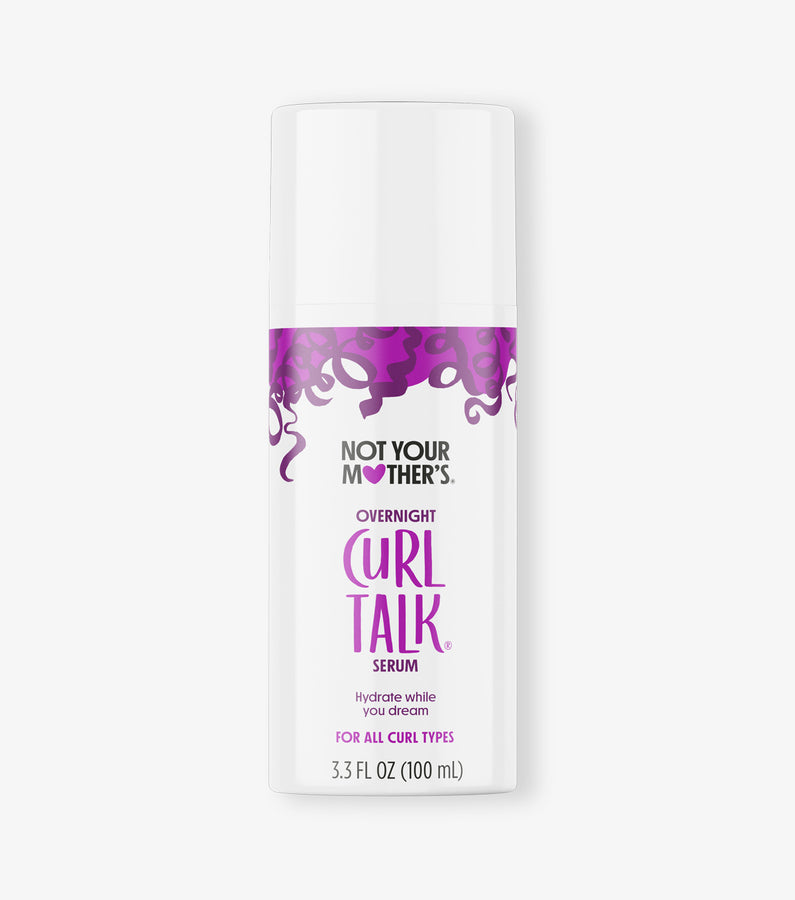
Curl Talk Overnight Serum is a lightweight, no-rinse option for all curl types. Applied from mid-lengths to ends before bed, it helps tame frizz, lock in moisture, and support soft, defined curls that are easier to style the next morning. It can be used on damp or dry curls, making it easy to fit into your routine.
Why Curly Hair Benefits From Overnight Care
Curly hair often benefits from overnight care because its shape makes it more prone to dryness, friction, frizz, and lost definition. The bends and curves in each strand can make it harder for natural scalp oils to travel through the lengths, while tossing and turning can disrupt curl clumps.
An overnight hair treatment for curly hair gives strands more time to absorb conditioning benefits without adding another rinse-and-repeat step to wash day. It can be especially useful when curls feel dry at the ends, look fuzzy around the surface, or lose their shape after sleeping.
Hair porosity also matters. Higher-porosity curls may absorb product quickly and need more support, while lower-porosity or fine curls may respond better to a smaller amount of lightweight serum. The goal is targeted hydration without sacrificing bounce.

How to Use an Overnight Treatment on Curls
Apply an overnight treatment to damp or dry curls from mid-lengths to ends, then protect your hair with a loose nighttime style. You do not need soaking-wet hair or a heavy layer of product.
Gently detangle any sections that need it. Dispense a small amount of Curl Talk Overnight Serum into your hands and smooth it over the driest or frizziest areas. Scrunch upward to encourage curl definition, then place your hair into a loose pineapple, braid, or another low-tension protective style.
A silk or satin pillowcase, scarf, or bonnet can help reduce friction. The pineapple method is especially useful for preserving volume because it gathers curls loosely at the top of the head instead of flattening them underneath you.
In the morning, release your hair and let your curls settle before adding more product. You may only need a light scrunch to bring the shape back.
How Much to Apply and Where

Use a light hand and focus on mid-lengths to ends rather than the roots. Too much serum near the scalp can make curls look flat or feel greasy by morning.
Start small and add more only where needed. Fine, short, or low-density hair may need very little, while long, thick, high-density, or highly porous curls may need more product divided across sections.
Pay extra attention to the ends and any areas that regularly feel rough or lose definition. Even application matters more than generous application. Warm the serum between your palms, smooth it over the hair, and scrunch rather than saturating each strand.
How often should you be using an overnight hair treatment? Start once or twice a week, then adjust based on how your curls respond. If they begin to feel coated or limp, use less product or add more nights between applications.
Overnight Serum vs. Rinse-Out Hair Mask: Which Should You Choose?
Choose an overnight serum for lightweight hydration and an easier morning refresh; choose a rinse-out mask when curls need a deeper in-shower moisture treatment. They can complement each other, but they are not used the same way.
Curl Talk Overnight Serum is designed to stay in while you sleep. It is the better choice when your goals are overnight moisture, softer-feeling curls, frizz control, and easier styling the next day.
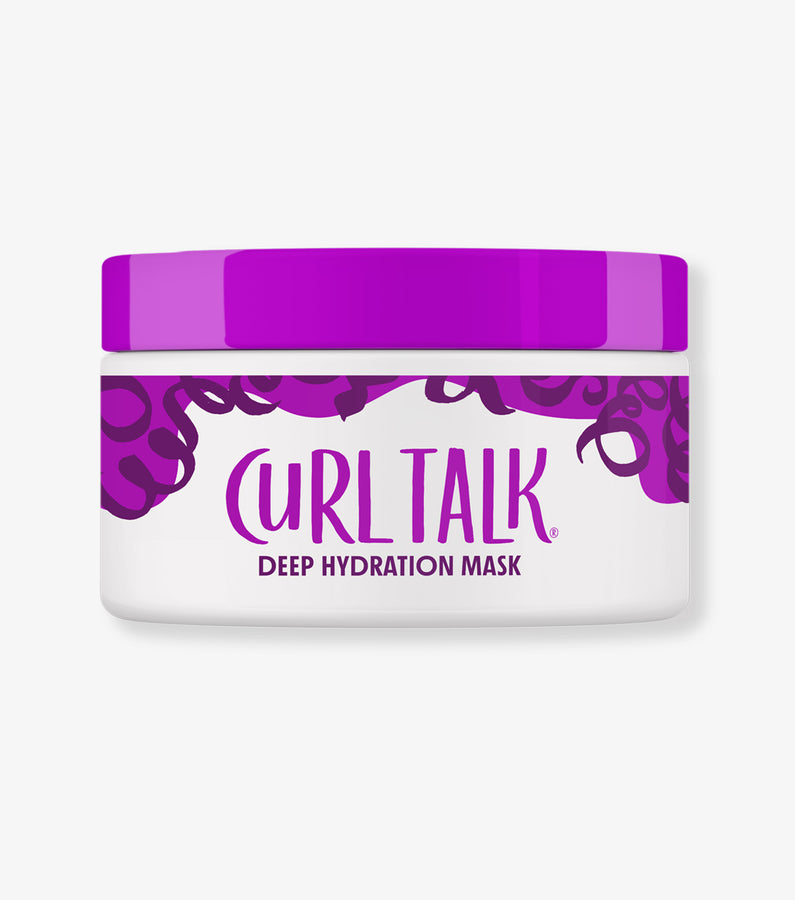
A rinse-out treatment such as Curl Talk Deep Hydration Mask is applied after shampooing, left on for 5–10 minutes, and rinsed out. Its rich-yet-lightweight formula delivers targeted moisture without added weight, making it helpful when curls feel especially dry.
Do not sleep in a rinse-out mask unless it is specifically labeled for overnight use. Leaving a product on longer than directed does not automatically make it work better and may leave hair feeling coated.
A simple rule: Use a serum when you want to apply, sleep, and style in the morning. Use a mask when you have time for a deeper in-shower reset.
Your Morning-After Routine: Refreshing Your Curls
The best morning refresh is the lightest one that restores shape without overworking your curls. Take down your pineapple, braid, scarf, or bonnet and give your hair a minute to settle.
Gently shake out the roots and scrunch the lengths with dry hands. For flattened areas, mist a little water onto the section, then scrunch it back into shape. Avoid soaking your whole head unless you want to restyle from scratch.
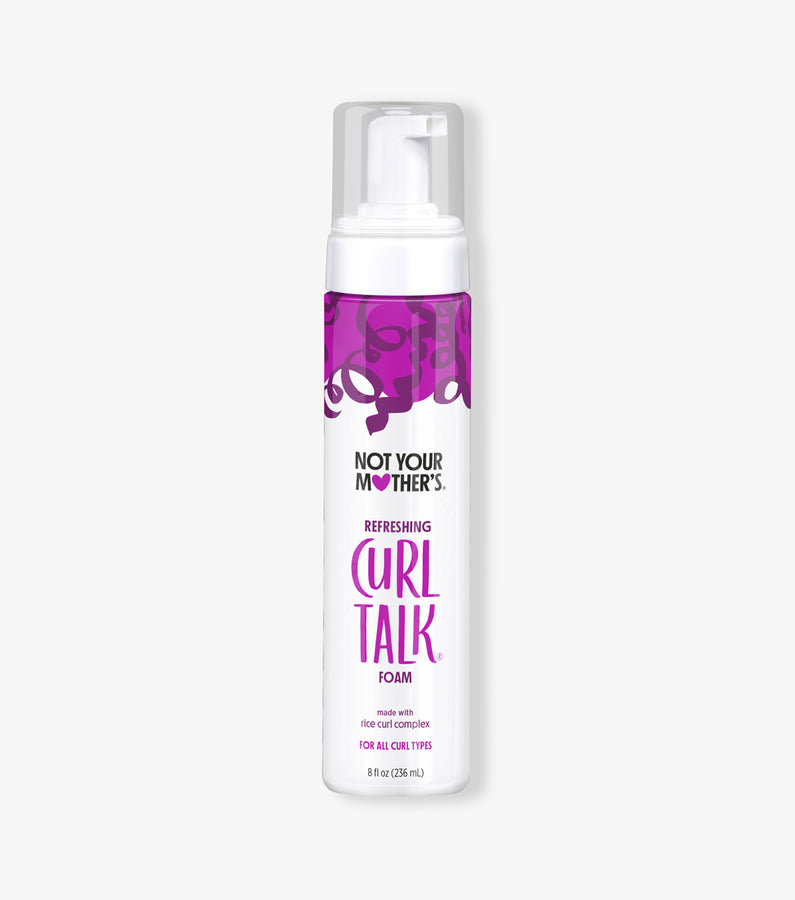
For curls that need more help, use a small amount of Curl Talk Refreshing Foam on damp sections. It helps redefine and refresh curls with flexible hold, frizz control, softness, and shine. Apply only where needed, then air-dry or diffuse on a low setting.
Try not to keep touching your curls while they dry. Over-handling can separate curl clumps and create more frizz.

Common Mistakes to Avoid
The most common overnight hair treatment mistakes are using too much product, applying it to soaking-wet hair, coating the roots, and skipping nighttime protection. Each can leave curls flatter, greasier, or less defined by morning.
Using too much: More product does not always mean more hydration. Start small, especially on fine or low-porosity curls.
Applying to soaking-wet hair: Excess water can dilute the product and keep hair damp against your pillow. Damp or dry application is usually easier.
Focusing on the roots: Overnight serums are most useful on mid-lengths and ends. Keeping them away from the scalp helps preserve volume.
Skipping a protective style: Curls rubbing against cotton bedding can lose definition and develop frizz. Try a pineapple, loose braid, bonnet, or silk or satin pillowcase.
Expecting hold from a treatment: An overnight serum supports hydration, softness, and manageability, but it may not replace your daytime cream, mousse, or gel. Style as usual based on the hold your curls need.
Key Takeaways
An overnight hair treatment can help dry, frizz-prone curls wake up softer, more defined, and easier to refresh. Apply a lightweight serum from mid-lengths to ends on damp or dry hair, use a loose protective style, and start with a small amount to avoid weighing curls down.
Curl Talk Overnight Serum makes the routine simple: Apply, sleep, and let your curls get the hydration of their dreams. In the morning, release, scrunch, and refresh only the sections that need it, because better curl days should not require losing sleep.