Curly hair is not one-size-fits-all. It can be loose and beachy, springy and defined, tightly coiled, softly waved, or a mix of several patterns at once. That is what makes curls so fun, expressive, and sometimes a little confusing.
If you have ever asked yourself, “What type of curls do I have?” you are not alone. Understanding the different curl types can help you choose the right styling techniques, build a routine that actually works, and stop fighting your natural texture. Your curl pattern is a starting point, not a rulebook, but it gives you helpful clues about what your hair may need to look and feel its best.
This guide breaks down different curl types, curl patterns, porosity, and routine-building basics so you can understand your hair from root to end. Because the better you know your curls, the easier it is to give them what they need.
What Are the Different Curl Types?
The different curl types are usually grouped into three main categories: Type 2 waves, Type 3 curls, and Type 4 coils. Each category is divided into A, B, and C subtypes based on the shape, tightness, and definition of the curl pattern.
Type 2 hair is wavy and usually forms an “S” shape. Type 3 hair is curly and creates more defined spirals or ringlets. Type 4 hair is coily or kinky, with tighter curls that may form an “S” shape, zig-zag shape, or densely packed coil pattern.
Think of curl types as a curl pattern chart, not a personality test. They can help you understand your hair, but they will not tell the whole story. Density, thickness, scalp oil, hair porosity, damage, climate, and styling habits all affect how your curls behave.
It is also very common to have more than one curl type. You might have looser waves at the crown, tighter curls underneath, or coils around the hairline. That is normal. Your hair is allowed to have range.
Curl Type Chart: Understanding Different Curl Patterns
A curl type chart can help you identify where your natural texture fits within the larger curl family. Use this as a guide, not a strict definition.
|
Curl Type |
Pattern |
What It Usually Looks Like |
|
2A |
Loose waves |
Soft, subtle waves with a slight “S” shape and minimal volume |
|
2B |
Defined waves |
More noticeable wave pattern with some frizz and body |
|
2C |
Strong waves |
Thick, defined waves that may start to form loose curls |
|
3A |
Loose curls |
Large, soft spirals with bounce and shine |
|
3B |
Springy curls |
Smaller ringlets with more volume and definition |
|
3C |
Tight curls |
Dense corkscrew curls with lots of body and shrinkage |
|
4A |
Defined coils |
Tight, small coils with a visible “S” pattern |
|
4B |
Zig-zag coils |
Tighter texture with less visible curl definition and more angular bends |
|
4C |
Tightest coils |
Densely packed coils with major shrinkage and less visible pattern |
This curly hair type chart is helpful because it shows the full spectrum of different curl patterns. But remember: Your hair does not have to fit perfectly into one box. Many people fall between two or more curl types, and your pattern can look different depending on how wet, dry, hydrated, or styled your hair is.

How Do I Know What Curl Type I Have?
The easiest way to identify your curl type is to look at your hair when it is clean, conditioned, and free of heavy styling products. Let it air dry or dry with minimal touching so you can see your natural pattern.
Here is a simple way to check:
Start with freshly washed hair. Use a gentle cleanser and conditioner, then detangle while your hair is wet. Avoid brushing your hair once it begins drying because that can stretch or disrupt the curl pattern.
Let your hair dry naturally. Your true curl pattern is easiest to see once your hair has dried without heat styling, heavy product, or constant scrunching.
Look at the shape of your strands. If your hair forms loose “S” waves, you likely have Type 2 hair. If it forms spirals or ringlets, you are probably in the Type 3 range. If your curls are tightly packed coils or zig-zag patterns, you likely have Type 4 hair.
Check different sections. Look at the front, crown, nape, and underneath layers. You may notice more than one pattern, which is very common.
The goal is not to label your hair perfectly. The goal is to understand what your hair tends to do so you can make better decisions about moisture, hold, styling, and maintenance.
Can You Have More Than One Curl Pattern?
Yes. Many people have multiple curl patterns on the same head of hair. You might have 2C waves near your face, 3A curls at the crown, and tighter 3B curls underneath. Some people with coily hair may have a mix of 4A, 4B, and 4C textures.
Different curl types can show up for several reasons. Genetics play a big role, but so do styling habits, heat damage, chemical treatments, color services, product buildup, and even how you sleep. Hair around the face or crown may also experience more sun exposure, brushing, pulling, or heat styling, which can loosen the curl pattern over time.
If one section of your hair looks less defined than the rest, it does not always mean your curl type is “wrong.” It may simply need more hydration, a different styling technique, or time to recover from damage.

Why Hair Porosity Matters Just as Much as Curl Type
Hair porosity refers to your hair’s ability to absorb and retain moisture. It matters because two people can have the same curl type but totally different moisture needs.
Low-porosity hair has a harder time absorbing moisture because the cuticle is more tightly closed. Products may sit on top of the hair instead of sinking in. Lightweight layers, warm water, and careful product application can help.
Medium-porosity hair absorbs and holds moisture more easily. It usually responds well to balanced routines with hydration, definition, and occasional treatments.
High-porosity hair absorbs moisture quickly but loses it just as fast. This can happen naturally or from heat styling, coloring, bleaching, or chemical processing. High-porosity curls may need more conditioning, richer stylers, and products that help seal in moisture.
Porosity helps explain why your curls may frizz, dry out, feel weighed down, or lose definition even when you are using products that seem right for your curl type. If curl type tells you the shape of your hair, porosity helps tell you how your hair behaves.
How to Care for Different Curl Types
Different curl types need different levels of moisture, definition, and hold. The best routine is one that supports your natural pattern without weighing it down or drying it out.
Type 2 Hair: Wavy Hair
Type 2 hair ranges from barely-there waves to stronger, beachy bends. Wavy hair can get weighed down easily, so lightweight products and gentle styling techniques are key.
For Type 2 waves, focus on hydration without heaviness. A light leave-in conditioner can help reduce tangles and frizz, while a mousse or foam can encourage shape and volume. Scrunching is often more effective than brushing or combing after styling because it helps waves form without stretching them out.
If your waves fall flat, try applying product while your hair is damp, then scrunch upward with a microfiber towel or cotton T-shirt. Diffusing on low heat and low speed can add lift without creating too much frizz.
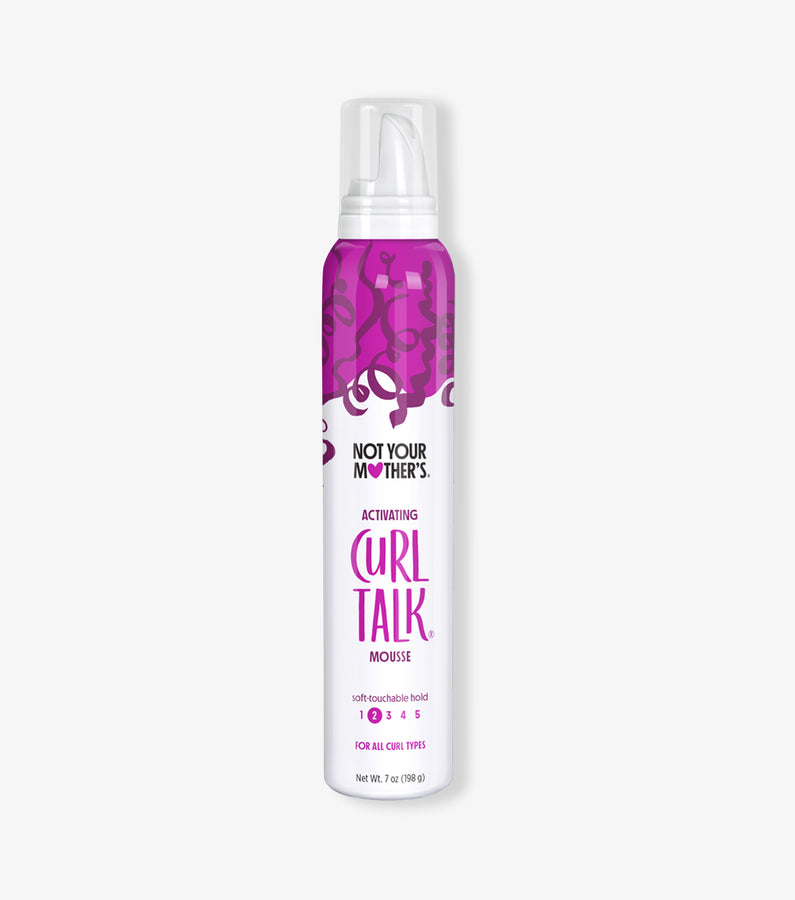
A lightweight mousse, such as Curl Talk Activating Mousse, can be helpful for waves that need definition and volume without a stiff finish. Keep the amount small at first, then add more only if your hair needs it.
Type 3 Hair: Curly Hair
Type 3 curls usually form spirals, loops, or ringlets. They tend to need more moisture than wavy hair but can still lose bounce if overloaded with heavy products.
For Type 3 curls, focus on moisture, definition, and frizz control. Apply products in sections to make sure each curl gets even coverage. Curl cream can help enhance shape and softness, while gel can add longer-lasting hold when humidity, frizz, or style collapse are concerns.
A common routine for Type 3 curls is leave-in conditioner, curl cream, then gel or mousse depending on the level of hold you want. Scrunching, finger-coiling, and diffusing can all help encourage definition.
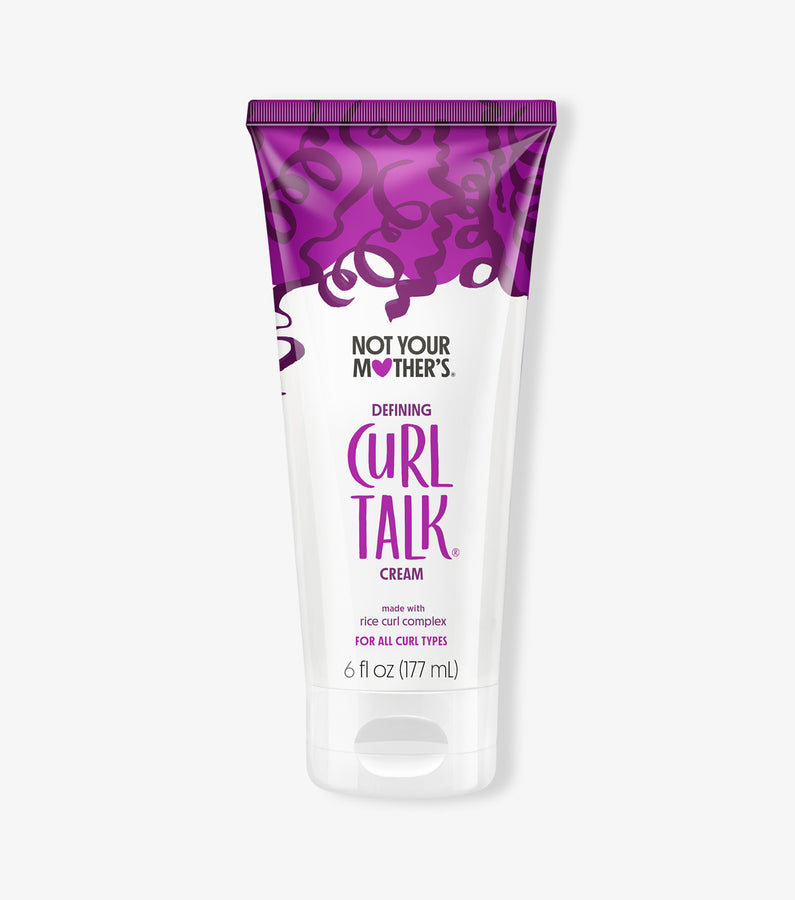
If your curls are dry or frizz-prone, a defining cream like Curl Talk Defining Cream can support shape and moisture while keeping curls soft. For extra hold, a flexible gel can help curls last longer without turning stiff or flaky.
Type 4 Hair: Coily Hair
Type 4 hair includes tight coils, zig-zag textures, and densely packed curl patterns. Coily hair is often more prone to dryness because natural oils have a harder time traveling down the strand.
For Type 4 coils, moisture is the foundation. Rich conditioners, leave-ins, creams, oils, and protective styling techniques can all help keep hair soft, strong, and manageable. Sectioning is especially important because it helps ensure even product distribution and easier detangling.
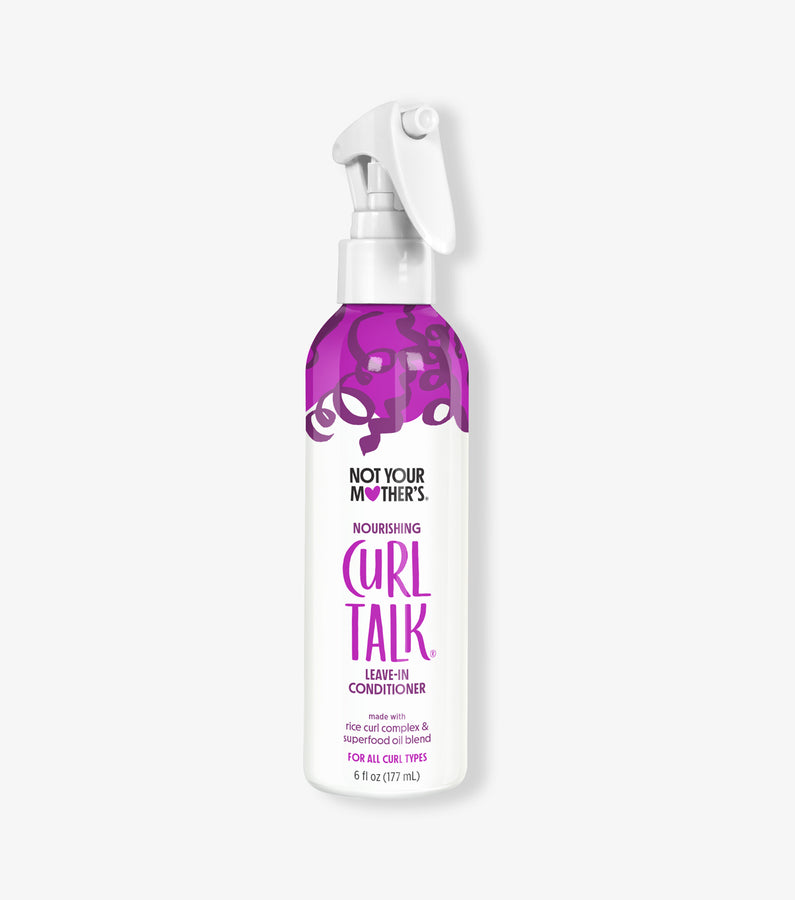
Type 4 hair often benefits from layering. A leave-in (like Curl Talk Leave-In Conditioner) adds hydration, a cream helps soften and define, and an oil or sealing product can help lock moisture in. Some coils love a stronger-hold gel or custard for wash-and-go styles, twist-outs, braid-outs, or defined coils.
If your curls are damaged, color-treated, or prone to breakage, a bond-building mask can be a smart occasional treatment. The key is consistency: Coils thrive when they are handled gently, moisturized often, and protected from unnecessary friction.
Building a Curly Hair Routine That Works
Your curl routine does not need to be complicated. It just needs to be consistent and tailored to your hair’s needs!
Start with cleansing. Curly hair does not always need to be washed daily, but it does need a clean scalp and hair that is free from heavy buildup. Choose a cleansing schedule based on your scalp, lifestyle, and product use.
Follow with conditioner. Conditioner helps soften, detangle, and prep curls for styling. For many curl types, detangling in the shower with conditioner and fingers or a wide-tooth comb helps reduce breakage.
Apply leave-in or cream while hair is damp. Damp hair usually gives stylers enough moisture to spread evenly and help curls clump together. Read more: Why Leave-In Conditioner for Curly Hair is a Game-Changer.
Add hold if needed. Mousse, foam, gel, custard, or spray gel can help curls keep their shape. The right hold level depends on your curl type, climate, and style goals.
Dry with care. Air drying is low effort, while diffusing can add volume and definition. Either way, avoid touching curls too much while they dry because that can create frizz.
Refresh between wash days. Water, leave-in, foam, or a small amount of styling product can help bring curls back without starting over. The goal is to revive shape, not overload the hair.
Common Mistakes People Make with Curly Hair
Even the best curl routine can fall flat if small habits are working against your texture.
One common mistake is using too much product. More product does not always mean more definition. It can lead to buildup, limp curls, and a sticky or coated feel.
Another mistake is brushing dry curls. Brushing curls when dry can separate the pattern and create frizz. If you need to detangle, do it when hair is wet or damp with conditioner or a detangling product.
Skipping sections is another curl routine issue. If product only reaches the top layer, the underneath layers may stay frizzy or undefined.
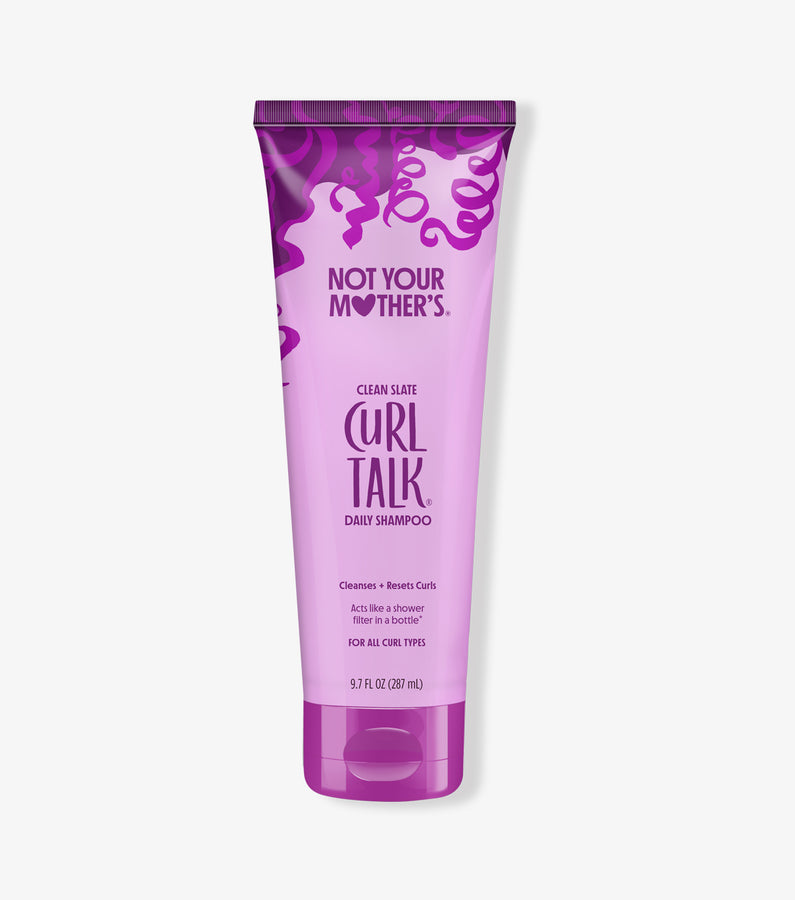
Some people also skip clarifying (looking at you, Curl Talk Clean Slate Daily Shampoo & Conditioner). Product buildup can make curls look dull, heavy, or less responsive. A reset cleanse when needed can help curls bounce back.
Heat damage is another major curl disruptor. Frequent flat ironing, curling irons, or high-heat blow drying can loosen curl patterns and increase breakage. If you use heat, apply a heat protectant and keep the temperature as low as possible while still getting your desired result.
Finally, do not ignore your ends. The ends are the oldest part of your hair and usually need the most moisture and care. Dry ends can make curls look frizzy, uneven, and less defined.
Frequently Asked Questions About Different Curl Types
What are the different curl types?
The different curl types are Type 2 wavy hair, Type 3 curly hair, and Type 4 coily hair. Each type is divided into A, B, and C subcategories based on how loose, defined, or tight the curl pattern is.
What type of curls do I have?
To figure out your curl type, wash and condition your hair, let it dry naturally, and look at the shape of your strands. Loose “S” shapes are usually waves, spirals are curls, and tight coils or zig-zag patterns are usually coily hair.
Can I have more than one curl pattern?
Yes. It is very common to have more than one curl pattern. You may have looser curls around your face, tighter curls underneath, or a mix of waves, curls, and coils throughout your hair.
Does curl type change over time?
Curl type can change over time due to hormones, aging, heat styling, coloring, chemical treatments, damage, or changes in hair health. Sometimes curls become looser from damage, while healthier routines can help natural patterns look more defined.
Is porosity more important than curl type?
Porosity is just as important as curl type because it affects how your hair absorbs and holds moisture. Curl type tells you the shape of your hair, while porosity helps explain why your hair may feel dry, frizzy, weighed down, or hard to moisturize.
Why does my curl pattern look different when wet?
Wet curls are stretched by water, so they may look looser than they do when dry. As hair dries, curls shrink, tighten, and settle into their natural pattern. Product, drying method, and damage can also affect how curls look wet versus dry.
Your Curl Journey Starts with Understanding Your Hair
Learning about different curl types is not about putting your hair in a box. It is about understanding what your texture needs so you can care for it with more confidence.
Your curls may be loose, tight, soft, bold, defined, fluffy, or all of the above depending on the day. That is the beauty of textured hair. Once you know your curl pattern, porosity, and styling preferences, building a routine becomes less about guessing and more about listening to your hair.
And when you are ready to build that routine, Not Your Mother’s Curl Talk is made to support every curl type, from soft waves to springy curls to coils that need extra moisture, definition, and care. The products were created to help tame frizz, lock in moisture, and enhance curls so they feel soft, bouncy, defined, and never crunchy.
Start with the basics: Identify your pattern, pay attention to how your hair holds moisture, use products with intention, and give your curls time to respond. Whether you are working with waves, curls, coils, or a mix of different curl patterns, your best routine is the one that helps your hair feel healthy, hydrated, and fully yours.
Explore the Curl Talk collection to find the cleansers, conditioners, stylers, and treatments that help your curls do their thing…with definition, bounce, and confidence.
Because curly hair care does not have to be complicated. Your curls already know what to do. You just have to learn how to support them.
Ready to continue on your curly hair journey? Read How To Use Curl Defining Cream for the Bounciest Curls Ever ->

.jpg?v=1734464358723&options=w_1024)