Complete Scalp Care Guide for Healthy Hair Growth
Healthy hair does not start at the ends. It starts at the root. A balanced scalp gives strands the best possible environment to grow, refresh, and thrive through every wash day, styling, and “I need dry shampoo immediately” day. Think of your scalp like skin, because that is exactly what it is. It can get dry, oily, congested, sensitive, or out of balance depending on your products, wash habits, environment, styling routine, and hair type. When scalp health is balanced, your strands have a stronger foundation for softness, shine, and healthy hair growth.
Why Scalp Care Is Essential for Hair Growth
A healthy scalp matters because every strand grows from a follicle located in the scalp. Keeping that area clean, comfortable, and balanced helps reduce buildup, excess oil, and irritation that can interfere with how fresh your roots feel. While no routine can magically force new growth overnight, consistent attention at the roots can support the conditions your hair needs to look and feel its healthiest over time.
Good habits also help your products work better. If roots are coated in sweat, sebum, dry shampoo, styling residue, or buildup, even the best cleanser or scalp treatment has to work harder. Clearing the way helps your routine do what it came to do: cleanse, hydrate, strengthen, and support healthy hair growth from root to tip.

Understanding Your Scalp Type and Its Needs
Before choosing scalp care products, figure out what your scalp is telling you. A dry scalp may feel tight, itchy, or flaky, especially after washing. An oily scalp may look greasy quickly, feel heavy at the roots, or need refreshing between wash days. A balanced scalp feels comfortable, not overly oily or tight, and your hair usually holds its style without constant rescue.
Your hair type matters, too. Fine hair can show oil faster, curls may need extra care to avoid disrupting curl patterns, and color-treated hair needs gentle formulas that cleanse without leaving strands feeling stripped. The best scalp care routine works with your scalp type, not against it.

Signs of an Unhealthy Scalp
Your scalp has a way of sending receipts. Common signs of poor scalp health include persistent itchiness, flakes, excess oil, tightness, tenderness, clogged-feeling roots, dull hair, product buildup, and styles that fall flat too quickly. If you’re dealing with ongoing irritation, painful patches, sudden shedding, or stubborn flakes that do not improve, check in with a dermatologist.
A healthy scalp should feel calm after cleansing, not raw, itchy, or overly tight. It should also support hair that feels fresh at the roots and manageable through the lengths. When that balance is off, your routine may need a reset.
The Connection Between Scalp Health and Hair Quality
Scalp health can make a visible difference in how your hair behaves. When the scalp is balanced, roots feel fresher, strands look lighter, and styling products layer more cleanly. It can also help reduce the look of dullness caused by buildup, which is a big deal if you use dry shampoo, mousse, gel, hairspray, oils, or leave-ins often.
A healthy scalp is also connected to the scalp microbiome, the ecosystem that lives on the scalp’s surface. When that environment stays balanced, your scalp is more likely to feel calm and comfortable. When it is disrupted by over-washing, under-washing, harsh scrubbing, or heavy buildup, you may notice more oiliness, dryness, or sensitivity.
Daily Scalp Care Routine Steps
A strong scalp care routine does not have to be complicated. Start by brushing or gently detangling before washing to loosen surface debris. In the shower, focus shampoo on the scalp, not just the hair lengths. Use your fingertips, not nails, and massage in small circles for one to two minutes to help lift oil and buildup while giving your roots a reset.
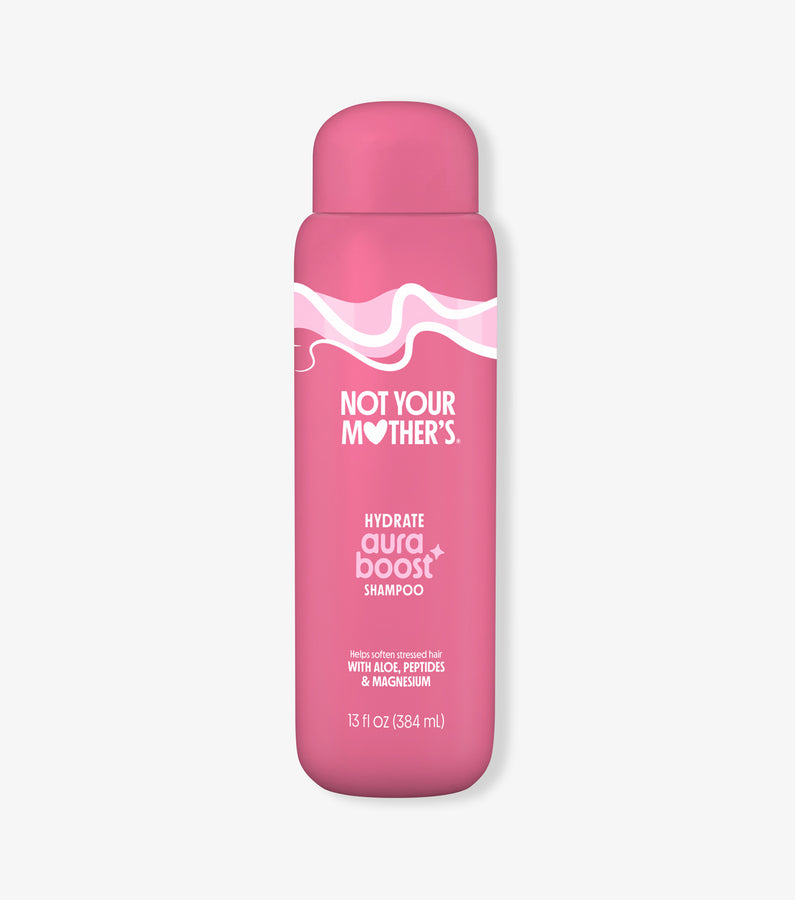
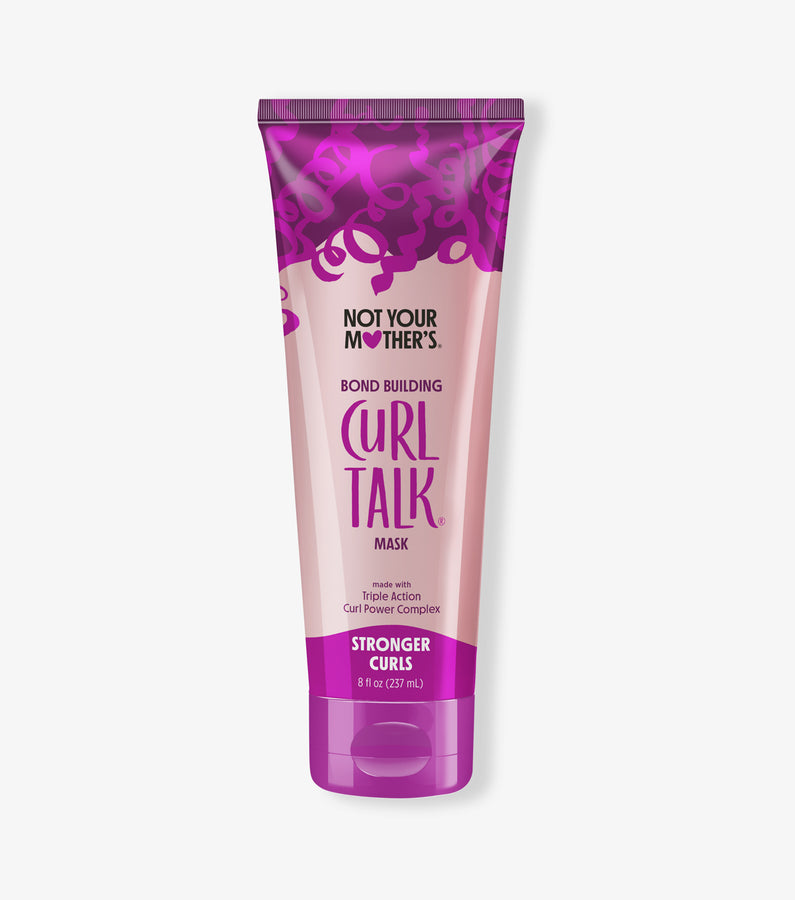
Choose your cleanser based on your hair goals. aura boost Hydrate Shampoo is a helpful option for anyone building a longer, stronger-feeling hair routine because it gently cleanses while supporting softer, shinier, healthier-feeling strands. For curls, Curl Talk Bond Building Shampoo and Conditioner can help strengthen and define damaged curls while keeping the routine focused on hydration, frizz control, and less breakage.
Treatment Options for Common Scalp Issues
For oily or unbalanced roots, a targeted scalp treatment can help extend your style between washes. Clean Freak Dry Shampoo is made for oily, unbalanced scalps and helps absorb excess oil while leaving hair soft and clean with no white cast or buildup. Powder dry shampoos can also help when you want more precise placement around bangs, the crown, or the part line.
For dryness or buildup, think balance, not punishment. A scalp treatment should support your scalp without over-stripping it. If your scalp feels tight after every wash, try washing less aggressively, rinsing thoroughly, and using moisturizing care through your lengths. If your roots feel coated, rotate in a deeper cleanse as needed and keep heavier stylers away from the scalp.

Dry Scalp vs Oily Scalp Care Strategies
Dry scalp strategies are all about comfort. Avoid scratching, hot water, and harsh over-washing. Use gentle pressure when cleansing, rinse well, and keep nourishing products focused where your hair needs them most. If your scalp is dry but your ends are fragile, Curl Talk Bond Building Mask can help support smoother, softer, healthier-looking curls from the lengths down.
Oily scalp strategies are about consistency. You may need to wash more often, use dry shampoo strategically, and focus shampoo application directly at the roots. Scalp massage can be helpful here, too, because it works product through the root area and helps lift buildup. Just keep the pressure gentle. The goal is refreshed, not roughed up.
Common Scalp Care Mistakes to Avoid
The biggest scalp mistakes usually come from doing too much or too little. Skipping root cleansing can lead to buildup, but scrubbing aggressively can cause irritation. Applying heavy conditioners, creams, or oils directly to the roots can make fine or oily hair feel flat faster. Using dry shampoo for too many days without washing can also leave the scalp feeling congested.
Another common mistake is confusing dandruff and dry scalp. Dry scalp usually comes with small, dry flakes and tightness, while dandruff can be oilier and more persistent. If flakes keep coming back even with a thoughtful scalp care routine, it may be time for a dermatologist-recommended treatment.
How Often Should You Focus on Scalp Care
A simple rule: give your scalp attention every wash day and add extras only when needed. For most people, that means scalp massage during shampoo, thorough rinsing, and smart product placement. Scalp exfoliation can be helpful for buildup-prone roots, but it should not be an everyday step. Once weekly or every other week is usually enough for many routines, depending on scalp sensitivity and product use.
The optimal frequency for different treatments depends on your scalp condition. Oily roots may need more frequent cleansing and strategic refreshing. Dry or sensitive scalps may need a gentler schedule. Product-heavy routines may benefit from occasional scalp exfoliation, while minimal routines may not need it as often.
Choosing the Right Products for Your Scalp
The best scalp care products are the ones that match your scalp type, hair texture, and styling habits. If you use a lot of stylers, prioritize a cleanser that removes buildup without leaving hair feeling stripped. If your scalp gets oily quickly, keep a dry shampoo in your lineup for between-wash freshness. If your hair is curly, coily, damaged, or color-treated, reach for products that support strength, moisture, and frizz control while respecting your texture.
Scalp care products should also fit your real life. A healthy scalp does not come from a 12-step routine you will never keep up with. It comes from repeatable habits: cleanse well, massage gently, treat only as needed, and track progress monthly by watching root freshness, scalp comfort, shine, volume, and manageability. Your scalp is the foundation. Give it the care it deserves, and your hair gets the message.